
No, a dehumidifier generally does not use a lot of electricity, provided you choose the right model for your home's temperature. For Irish households dealing with dampness and elevated energy expenses, these devices function as cost-saving solutions by improving heating efficiency and offering budget-friendly laundry drying alternatives.
What Is a Dehumidifier and How Does it Work?
A dehumidifier functions as a home appliance designed to reduce and maintain the level of humidity in the air. It operates by drawing in moist air, extracting water, and recirculating drier air into the room.
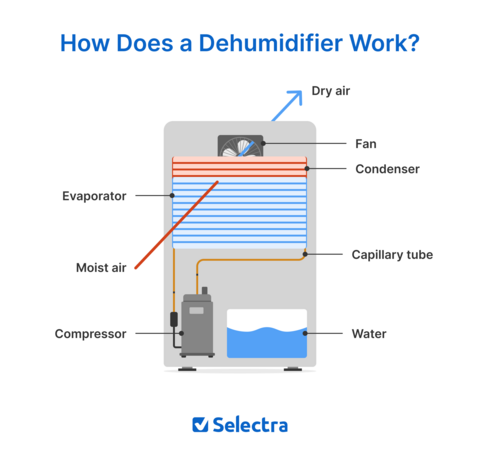
Ireland's naturally damp climate - where average relative humidity frequently surpasses 80% - makes these devices valuable for preventing mould growth and protecting home structure.
Most contemporary units feature a built-in humidistat, enabling users to set a target level (typically 50%). Once the room achieves this level, the machine powers down or enters low-energy monitoring mode, consuming electricity only when necessary.
How Does it Help Save Energy?
- Easier to Heat: Damp air requires significantly more energy to warm than dry air. Humidity reduction allows heating systems to warm rooms faster, enabling thermostat adjustment downward.
- Laundry Drying: Irish households frequently avoid tumble dryers due to expense. A dehumidifier with "Laundry Mode" dries full clothing racks for a fraction of standard 3kW dryer costs, preventing musty odours and indoor condensation.
- Structural Protection: Moisture degrades insulation and timber. Maintaining dryness prevents damp from seeping into walls, preserving thermal performance and BER ratings over time.
Dehumidifier FAQs: Compressor vs. Desiccant
- Compressor (Refrigerant): Most common in Ireland. Operates like a refrigerator using a compressor to cool coils. Highly energy-efficient in heated rooms, typically consuming 150W to 350W.
- Desiccant: Uses absorbent material and internal heating. Features higher wattage (often 600W+), proving more effective in cold temperatures (below 15°C) like garages or unheated hallways.
Ready to Switch and Save on Your Energy Bills?
Our energy experts at Selectra can help you secure a great rate for your home - completely free.
How Much Electricity Does a Dehumidifier Use in Cent/kWh?
Using the current Irish 24-hour urban average rate of approximately €0.3475 per kWh (34.75 c/kWh) inclusive of VAT:
| Dehumidifier Type | Kilowatt (kW) | Cost per Hour (c) | Cost for 8 Hours (c) |
|---|---|---|---|
| Compressor (Small/Eco) | 0.15 kW | 5.2 c | 41.7 c |
| Compressor (Standard 20L) | 0.35 kW | 12.2 c | 97.3 c |
| Desiccant (Full Power) | 0.65 kW | 22.6 c | 180.7 c |
Note: Calculations based on a unit rate of 34.75 c/kWh.
How Do I Maximise My Savings With a Dehumidifier?
- Set the Humidistat Correctly: Target 50%. Lower settings keep the machine running constantly without additional comfort benefits, wasting electricity.
- Seal the Room: When drying laundry or addressing damp bedrooms, keep doors and windows closed.
- Utilize Night Rates: Households with smart meters or NightSaver meters should operate dehumidifiers during off-peak hours.
- Switch Providers: Efficient appliances cannot overcome poor tariffs. Compare electricity prices to ensure access to the cheapest available plan.
Ready to Switch and Save on Your Energy Bills?
Our energy experts at Selectra can help you secure a great rate for your home - completely free.
How Does a Dehumidifier Compare to Other Appliances?
| Appliance | Typical Wattage (W) | Cost per Hour (c/kWh) | Daily Impact |
|---|---|---|---|
| Dehumidifier (Compressor) | 200 W | 6.9 c | Low |
| Air Fryer | 1,500 W | 52.1 c | Medium |
| Tumble Dryer | 2,500 W | 86.9 c | Very High |
| Immersion Heater | 3,000 W | 104.2 c | High |
Are Dehumidifiers Worth the Investment?
For most Irish households, particularly those struggling with condensation or indoor laundry drying, the answer represents a clear affirmative. Although upfront purchase costs exist, potential energy savings from more efficient heating and reduced laundry expenses frequently allow units to pay for themselves within two winters.
Beyond financial considerations, health benefits from mould spore removal prove invaluable. Selecting a model matching specific needs ensures homes remain dry, warm, and energy-efficient.